Start with your water, not the machine
Most people shopping for a water dispenser in Malaysia begin with the shiny part: touch panels, hot and cold taps, stainless finishes. A better starting point is the water itself. Is the building fed by an old rooftop tank? Do you notice a chlorine smell after pipe works? Does the kettle grow a white crust within weeks? Those clues decide what kind of filtration matters, and the machine comes second.
Treated municipal water is generally safe at the plant. What changes is the journey through ageing pipes and storage tanks, and that is where home and office filters earn their keep. If you are new to the options, a local guide to hot and cold dispenser options is a reasonable way to learn the vocabulary before you compare spec sheets.
A quick home test helps too. Fill a clear glass straight from the kitchen tap, let it stand for a few minutes and look for cloudiness or sediment. Smell it. Then compare with water boiled in a clean kettle. None of this is a lab result, but it tells you whether your main complaint is taste, particles or scale, and that shapes the filter stages worth paying for.
At home: counter space, children and the electricity bill
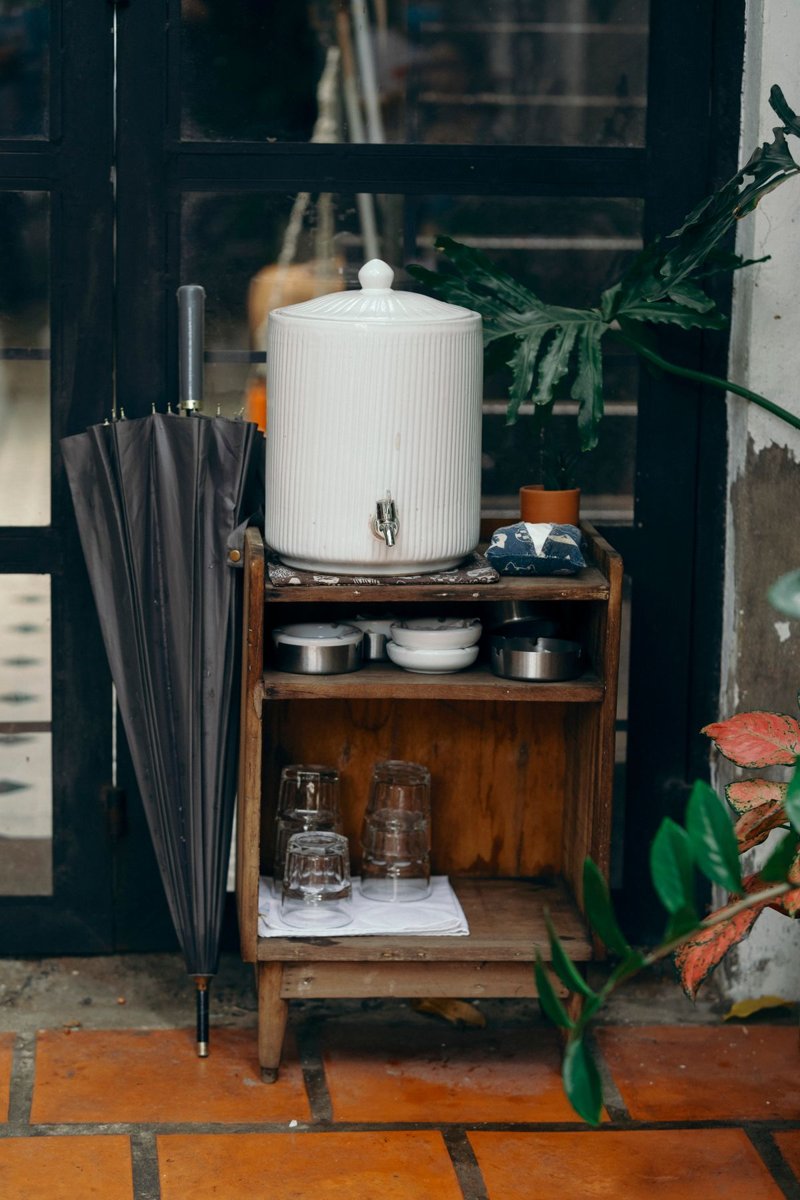
A home unit has a few quiet jobs. It needs to fit the kitchen without blocking the walkway, keep hot water locked away from small hands and not run up your bill keeping a tank boiling all day. Ask how the hot function works. Some units heat on demand, others keep a reservoir warm. Both are fine, but the running cost and the waiting time differ.
Then look at certification. NSF’s drinking water resources explain how filters are tested against specific claims, such as chlorine taste or particular contaminants. A filter that says “removes impurities” without naming what it was tested for is telling you very little.
Office dispensers live or die on hygiene routines
The workplace version of this problem is less about the machine and more about people. Twenty colleagues using one tap means fingerprints on buttons, cups touching the spout and nobody quite sure who changes the filter. Before buying, decide who owns the schedule. Put it in writing.
A simple sticker on the side of the unit with the last service date and the next one due does more for hygiene than any marketing claim. Wipe the drip tray and buttons as part of the pantry cleaning routine, and remind people not to press their bottles directly against the tap.
Capacity matters too. A small team can manage with a compact unit, while a busy floor needs faster recovery on both hot and cold. This practical guide for workplaces walks through sizing questions that facilities teams often forget, like peak times after lunch and whether the pantry has a drain point.
A short explainer on reverse osmosis, one of the filtration stages you will see on many spec sheets.
Restaurants need volume, consistency and paperwork
Food businesses ask different questions. Water goes into drinks, ice, soups and rice, so taste consistency affects the menu. Volume is higher, and downtime is expensive. A restaurant setup is usually a multi-stage system under the counter feeding several points, rather than a single standalone dispenser.
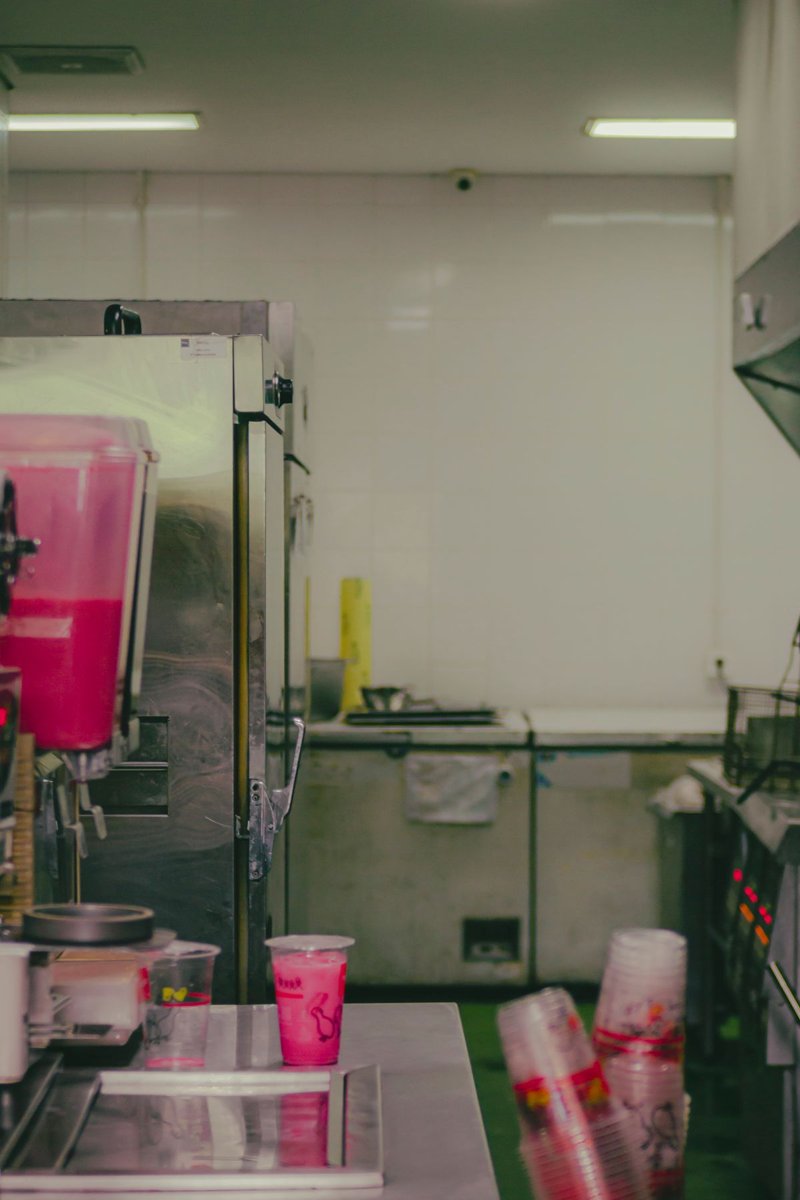
Ask for flow rates at your busiest hour, the filter change interval in litres rather than months, and service records you can show during inspections. Looking at an example of a restaurant-grade filter setup helps you see how cartridges, housings and taps fit together. The Water Quality Association also publishes consumer and trade material that explains treatment terms in plain language.
Maintenance is the real price tag
Whatever you choose, the purchase price is only the beginning. Filters clog, UV lamps lose strength, and tanks need cleaning. Ask three things before signing: how often each part is replaced, what each replacement costs, and who turns up when something leaks on a Sunday.
Write those answers down and multiply over three years. A cheaper machine with expensive cartridges can quietly cost more than a pricier one with simple maintenance. Water should be the boring part of your day. Plan the upkeep and it usually stays that way.
Comments are closed